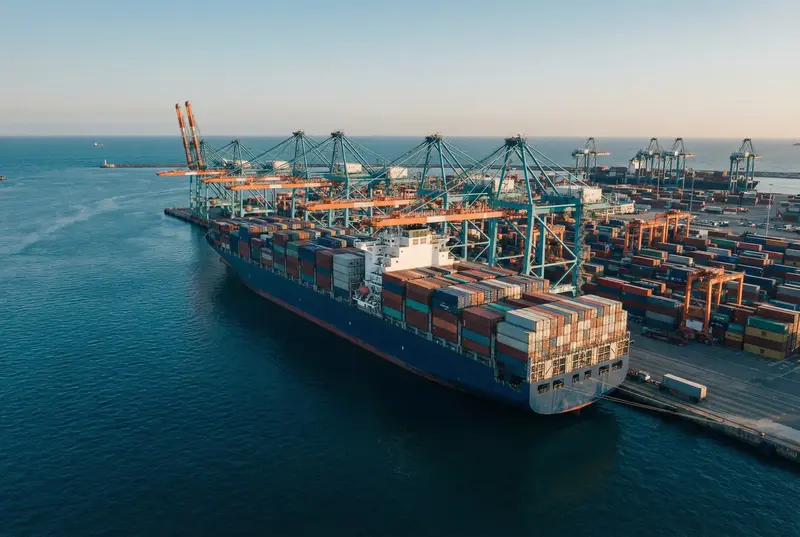
USCG Maritime Drug & Alcohol Testing
Coast Guard-compliant drug testing programs for maritime employers, vessel operators, and credentialed mariners. We handle enrollment, random selections, results reporting, and recordkeeping under 46 CFR Part 16 and 49 CFR Part 40.
Enroll NowWhat's included
- Consortium enrollment and management
- Random selection pool administration
- Pre-employment testing coordination
- Post-accident and reasonable suspicion testing
- MRO (Medical Review Officer) services
- Audit-ready recordkeeping
- Dedicated compliance specialist
- Online employer portal access
Who must comply?
The U.S. Coast Guard requires drug and alcohol testing for all crewmembers holding a Merchant Mariner Credential (MMC) and those performing safety-sensitive duties aboard regulated vessels.
Vessel Operators
Companies operating inspected vessels in U.S. waters with crewmembers holding MMCs.
Credentialed Mariners
All individuals holding a Merchant Mariner Credential performing safety-sensitive duties.
Towing Vessel Operators
Operators of towing vessels subject to Coast Guard inspection and crewing requirements.
Offshore Facilities
Operators of offshore oil and gas facilities with personnel performing safety-sensitive functions.
Failure to maintain a compliant drug and alcohol testing program can result in suspension or revocation of Merchant Mariner Credentials, civil penalties up to $7,500 per violation, and vessel operating restrictions. Don't risk it — APCA keeps you covered.
Required test types
Federal regulations require specific testing at defined circumstances. APCA manages all of them.
Pre-Employment
Required before a mariner first performs safety-sensitive duties. Must receive a negative result before starting work.
Random Testing
Minimum 50% of covered employees tested annually for drugs. APCA manages your random pool and tracks your selection rate.
Post-Accident
Required following a serious marine incident as defined by 46 CFR Part 4. Testing must occur as soon as practicable.
Reasonable Suspicion
When a trained supervisor observes behavior or appearance consistent with drug or alcohol use.
Return-to-Duty
Required before a mariner returns to safety-sensitive duties following a violation.
Follow-Up
Unannounced testing following return-to-duty, as directed by a Substance Abuse Professional (SAP).
Compliance checklist
Everything you need to stay compliant — APCA handles all of it on your behalf.
Program Setup
- Written drug and alcohol testing policy
- Consortium/Third Party Administrator (C/TPA) agreement
- Designated Employer Representative (DER) identified
- Supervisor training completed
Testing Operations
- Random testing pool established
- Collection site network confirmed
- MRO services in place
- Chain of custody procedures documented
Recordkeeping
- Test results maintained for 5 years
- Random selection records retained
- Refusal-to-test documentation
- Annual summary reports filed
Regulatory resources
46 CFR Part 16 — Chemical Testing
The primary regulation governing drug testing for merchant mariners. Covers who must be tested, when, and how results are handled.
View official resource →USCG Drug Testing Program
The Coast Guard's official guidance on chemical testing requirements for commercial vessel operators and credentialed mariners.
View official resource →APCA Pro Tip: The USCG requires that your random testing rate be at least 50% for drugs annually. Our system automatically tracks your selection rate and alerts you if you're falling behind — so you're never caught off guard during an audit.
Solo operator or small vessel company?
Even if you have just one or two credentialed mariners, you're required to participate in a random testing program. APCA's consortium lets you join a shared pool — meeting federal requirements at a fraction of the cost of a standalone program.
Get StartedFrequently asked questions
Ready to get your USCG Maritime program in place?
Enroll in minutes. We handle setup, random selections, results, and recordkeeping — so you don't have to.